Table of Contents
- Reena Virk
- Friday November 14th, 1997
- Warren Paul Glowatski
- Kelly Marie Ellard
- Cultural Shock — Teenage Girls and Violence
- The Virk Family & Restorative Justice — Grief, Not Redemption
- Media Framing — Who Becomes the Story
- Reena, March 10, 1983 – November 14, 1997
Reena Virk
Reena was born on March 10, 1983, in Saanich, British Columbia, the eldest of three children. Her mother, Suman, was from an Indo-Canadian family, and her father, Manjit, had immigrated from India. The family were Jehovah’s Witnesses, and those close to Reena later said she struggled with the restrictions of the faith.
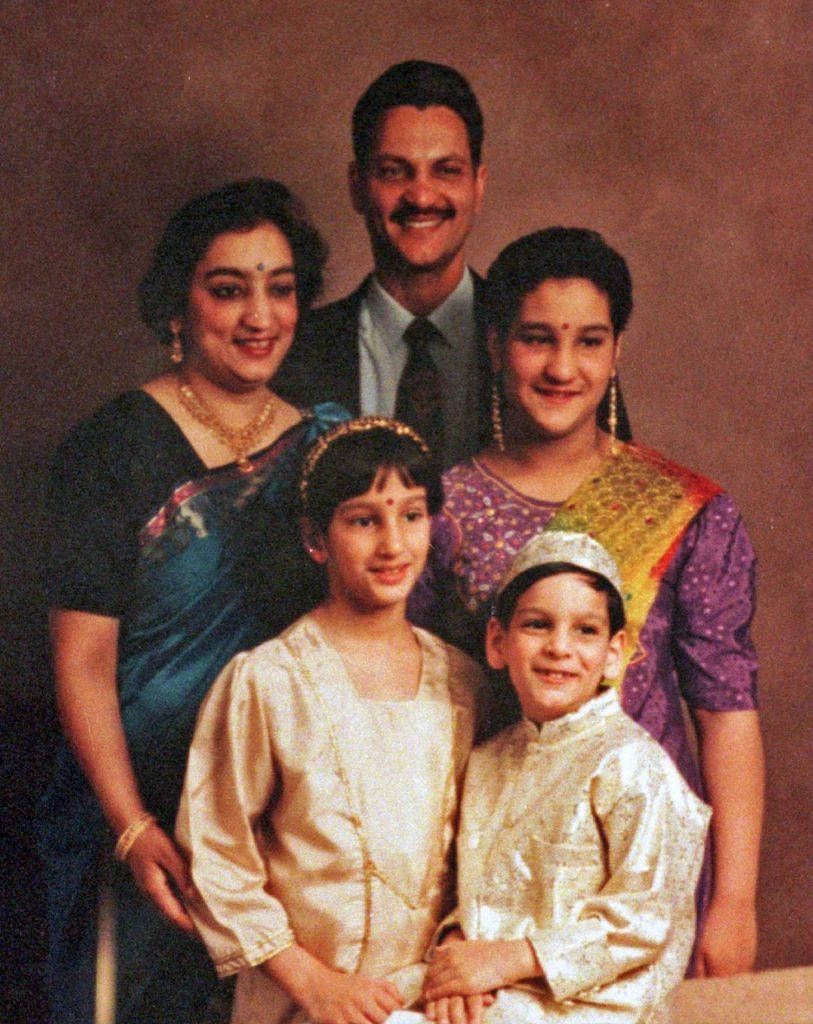
At school, she longed to belong. The desire to belong can feel urgent at thirteen, especially when difference has already been marked. Instead, she was bullied for her appearance and her race. In May 1994, her parents moved the family, hoping a new environment would offer her relief. It did not. The isolation followed her.
In 1996, at thirteen, Reena reported to child welfare authorities that her father had sexually abused her. She was removed from the family home and placed in foster care for several months. For a teenager already navigating isolation, displacement only deepened the sense of standing at the edge of things. The allegation was later withdrawn and the charges dropped. In the years that followed, questions were raised about how her disclosure had been handled.
Friday November 14th, 1997
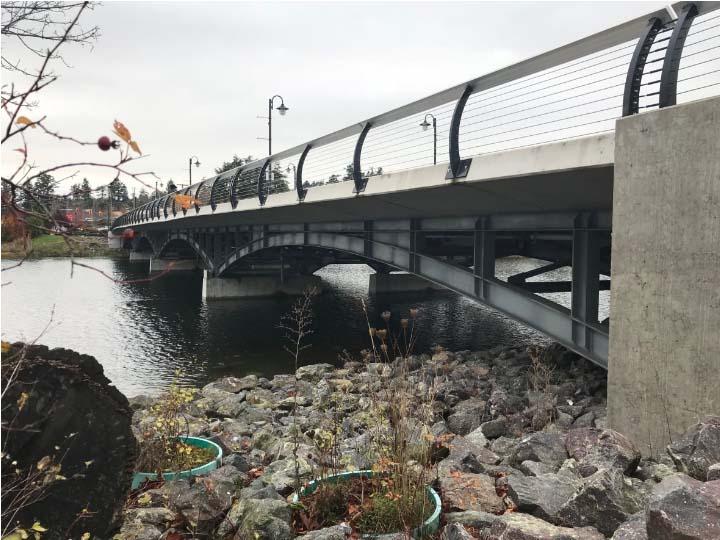
On the evening of November 14, 1997, Reena Virk was invited to join a group of teenagers gathering near the Craigflower Bridge, just outside Victoria. For a thirteen-year-old who had struggled to belong, the invitation mattered. She went.
At the bridge, alcohol and marijuana circulated among the group. What followed was not a party. Reena was surrounded by several girls and accused of spreading rumours and interfering in relationships. The confrontation quickly escalated. She was beaten by a group of teenagers, kicked and struck as others stood by. At one point, a cigarette was pressed toward her face.
Injured, she attempted to leave. Instead of being allowed to go, she was pursued across the bridge by two teenagers. The assault continued near the water’s edge. Reena lost consciousness. She was then dragged into the Gorge Inlet and drowned.
The following day, her parents contacted Saanich police. Because of prior family tensions, she was initially considered a runaway rather than a missing child.
Within days, rumours of what had happened spread among students at local schools. On November 22, 1997, eight days after she was attacked, a police helicopter located Reena’s body along the shoreline of the Gorge Inlet.
An autopsy later confirmed she had died by drowning, following extensive blunt force injuries.
“A crush convulsion injury, as often seen in car crash victims. Extensive bruising under the skin of her face. A bruise in the shape of a sneaker print is on the back of the brain.”
Dr. Laurel Gray Pathologist
In the days that followed, eight teenagers were arrested. Six were charged in connection with the initial assault beneath the bridge. Two — Kelly Ellard and Warren Glowatski — were charged as adults in relation to the fatal attack
What happened beneath the Craigflower Bridge did not begin as murder. It began as accusation, posturing, and the volatile hierarchy of adolescence. In groups, especially among teenagers, conflict can escalate quickly. Loyalty is performed. Allegiance is tested. Humiliation becomes spectacle.
Reena was not attacked by a single individual in a private confrontation. She was surrounded. In that setting, responsibility does not sit cleanly with one person; it fragments. Each participant’s role may feel smaller than the whole, even as the collective force grows larger and more dangerous.
Psychologists refer to this as diffusion of responsibility — a phenomenon in which individuals are less likely to intervene, and more likely to participate, when others are present. Moral hesitation weakens in the noise of a crowd. What might have been unthinkable in isolation can become possible when shared.
For teenage girls in particular, violence is often assumed to be indirect — social exclusion, rumour, relational cruelty. The attack on Reena shattered that assumption. The aggression was physical, prolonged, and public. It moved beyond humiliation into sustained harm.
There were witnesses. Some participated. Some watched. Some would later speak. In the immediate moment, however, the group dynamic held. No one stopped it.
When Reena attempted to leave, the violence did not end. Instead, the group splintered. The crowd receded, and the responsibility narrowed. What had been collective momentum became individual action. The shift from many to two did not lessen the harm; it altered its form.
Group violence does not excuse individual choice. But it helps explain how a gathering that might have dispersed with bruised pride instead continued toward fatal consequence.
Warren Paul Glowatski
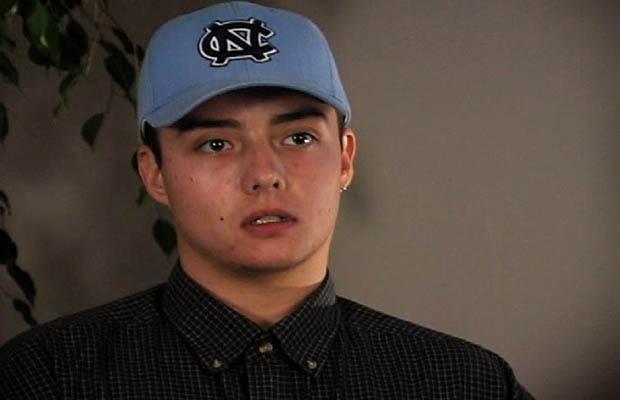
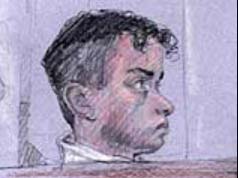
Glowatski’s testimony “incomplete and improbable,”
Judge Malcolm MacAulay
Warren Glowatski was sixteen years old at the time of Reena’s murder. Though he had never met her before that night, he followed her across the bridge and took part in the fatal assault. In statements to police, he later claimed he had stood by as Kelly Ellard dragged Reena into the water. The court rejected that account. In 1999, he was convicted of second-degree murder and sentenced to life imprisonment.
Because he was a youth at the time of the offence, he became eligible for parole after serving seven years. In custody, Glowatski participated in rehabilitation programs and eventually sought meetings with Reena’s parents. During parole hearings, he expressed remorse for his role in her death.
His eventual release would become part of the wider public reckoning that followed the case — a reckoning that continued to centre the loss of a thirteen-year-old girl.
Kelly Marie Ellard
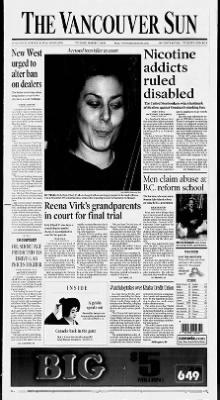
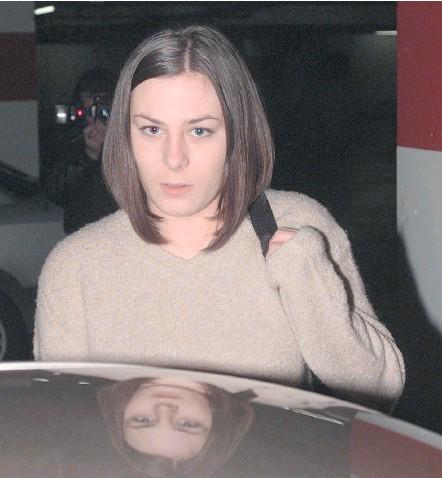
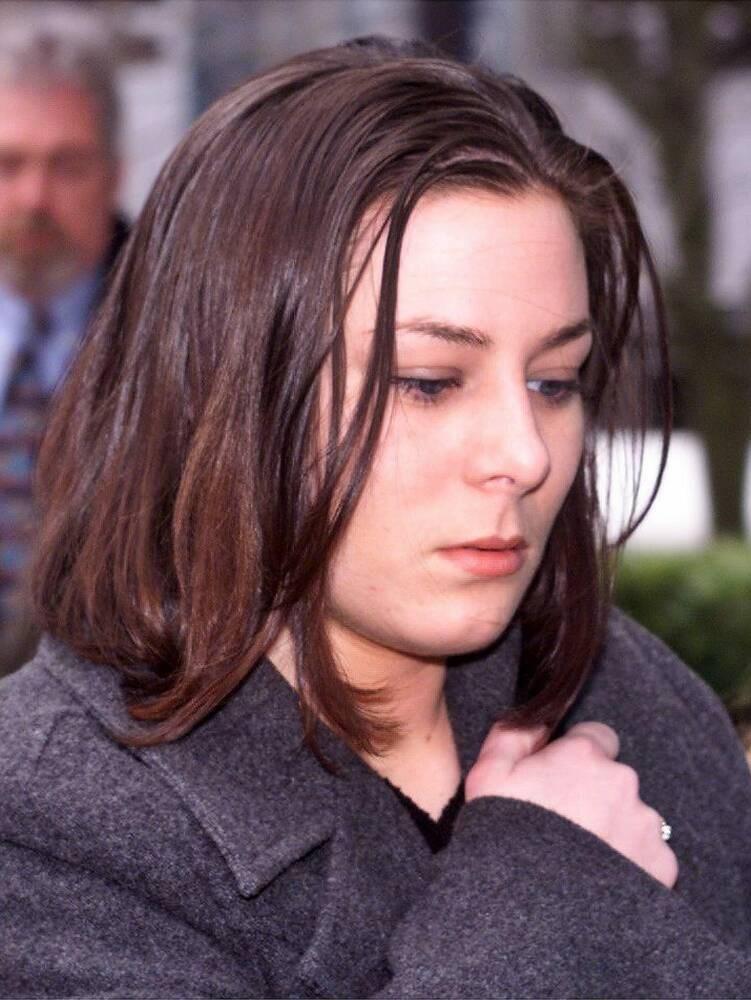
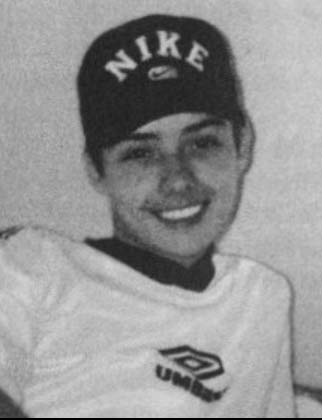
Kelly Ellard was fifteen years old when she drowned Reena Virk. Unlike some of the others involved that night, she remained at the centre of the legal proceedings for more than a decade.
Ellard was tried three times for second-degree murder. Her first conviction was overturned on appeal. A second trial ended in a mistrial. In 2005, at her third trial, she was again convicted and sentenced to life imprisonment. In 2009, the Supreme Court of Canada upheld that conviction.
“It would be hard to exaggerate the brutality of that index offence, It’s also disturbing in the view of the board that you continue to minimize it.”
Panel Member Alex Dantzer
For years, Ellard denied responsibility for Reena’s death. During later parole hearings, she acknowledged her role in placing Reena in the water but continued to dispute aspects of the final moments. Parole board members initially described her presentation as entitled and denied release.
Over time, she was granted graduated release under supervision. Her reintegration into the community remained controversial, particularly for those who continued to measure the passage of time against the permanence of Reena’s absence.
In February 2017 Ellard was granted temporary escorted absences to go to parenting programs and doctor’s appointments with her baby. Ellard became pregnant the year before after having conjugal visits with her boyfriend Darwin Dorozan, who has also served prison time, the baby lived with Ellard at the women’s prison in Abbotsford, B.C.
“The fact that the birth of your children has given you a purpose in life is tragically ironic as you ended the life of another mother’s child.”
Kerry Marie Sim’s Parole Board
Cultural Shock — Teenage Girls and Violence
Reena Virk’s murder unsettled more than a community. It unsettled assumptions.
At the time, public narratives around youth violence were largely shaped by images of boys — aggression understood as male, physical, and impulsive. Girls, when they appeared in discussions of harm, were more often associated with exclusion, rumour, and social cruelty. Violence among teenage girls was imagined as relational rather than bodily. The idea that girls are less violent rests partly on the belief that they seek connection over dominance. What happened to Reena showed how the pursuit of status and belonging can distort that instinct.
What happened beneath the Craigflower Bridge challenged that framework. The sustained assault on a thirteen-year-old girl forced a confrontation with something uncomfortable: that gendered expectations can obscure capacity. The idea that girls were less capable of physical brutality had offered a kind of reassurance. Reena’s death stripped that reassurance away.
Grisly Killing of Girl, 14, Startles a Town in British Columbia
The New York Times, 28 November 1997
Media coverage reflected this tension. Headlines emphasised the novelty of “girl gangs” and “teenage female violence,” language that both sensationalised and struggled to categorise what had occurred. The shock was not only that a child had been killed, but that several of those involved were also young girls. The case became shorthand for a perceived shift in youth behaviour, though the deeper dynamics — bullying, group psychology, status, vulnerability — were neither new nor simple.
For many, it was easier to see the crime as aberration rather than examine the quieter patterns that preceded it: social exclusion, peer pressure, the hierarchy of adolescence. Yet those patterns form the environment in which escalation becomes possible.
Reena’s death did not create teenage cruelty. It revealed its outer edge.
The Virk Family & Restorative Justice — Grief, Not Redemption
The language of restoration suggests repair. But some losses resist reintegration.
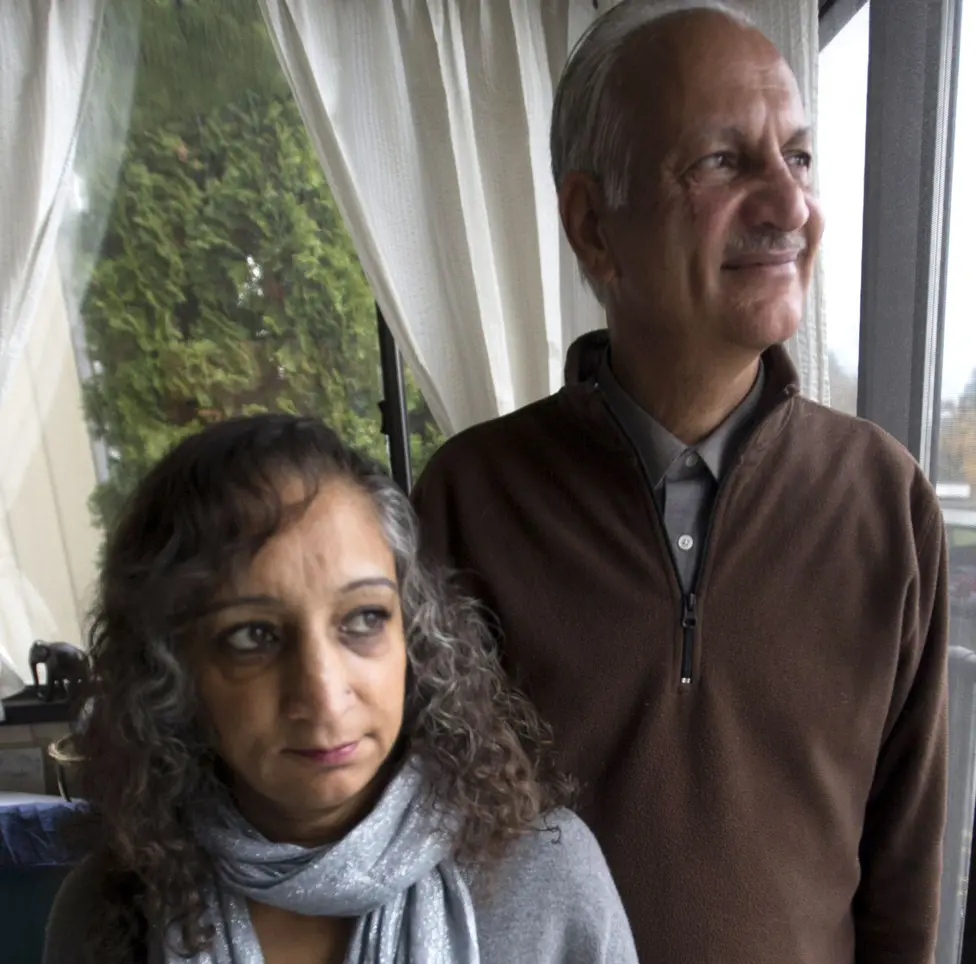
In the years that followed the trials, the Virk family faced a reality that courtrooms could not alter. Verdicts had been delivered. Sentences imposed. Appeals exhausted. None of it returned their daughter.
Suman and Manjit Virk chose to participate in a restorative justice process with one of the young people responsible for Reena’s death. Their decision was widely reported and, at times, misunderstood. It was not an act of absolution. It did not rewrite the facts of that night. It did not lessen the permanence of loss.
Restorative justice, particularly within the Canadian system, is often described as an opportunity for dialogue — a structured encounter between those harmed and those responsible. For some families, the idea is unimaginable. For others, it becomes a way to ask questions that courtrooms cannot answer.
The Virks met with Warren Glowatski while he was in custody. They listened. They spoke. They confronted the person who had stood on the bridge with their daughter in her final moments. Whatever passed between them occurred within the boundaries of their grief.
Today I think we see a young man who has taken responsibility for his actions and is trying to amend the wrong that he did.
Suman Virk
Forgiveness, if it exists in such spaces, is rarely simple. It does not erase anger. It does not undo harm. It coexists with memory.
Over time, the Virks became public advocates for restorative justice, speaking about accountability and the possibility of change. Their position was not universally embraced. Some saw mercy where others saw betrayal. But the decision belonged to them alone.
What remained constant was this: they were parents who had buried a child.
The language of reintegration, parole eligibility, and rehabilitation moves forward in measured intervals. Grief does not follow those timelines. It settles differently. It lingers in anniversaries, in silence, in the unmarked passage of ordinary years.
Restorative justice offered a framework. It did not offer restoration.
Media Framing — Who Becomes the Story
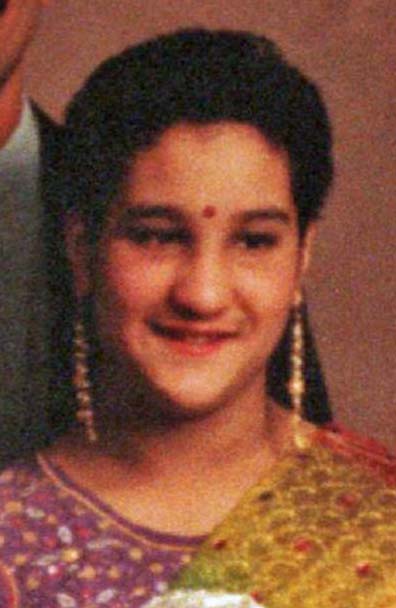
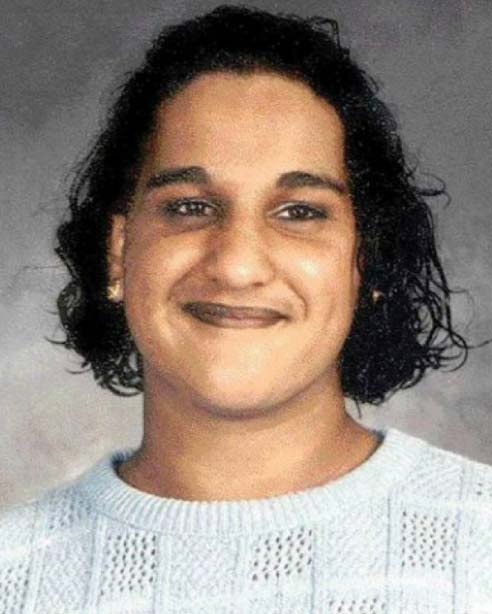
The victim in the story, Reena Virk, stays a stranger. There’s a single, awkward yet poignant photograph of her.
Rebecca Godfrey author of Under the Bridge
In the coverage that followed, public attention often settled on those moving forward through the justice system. Reena remained fixed in time, a presence without a future — a name known more for the circumstances of her death than for the life in which she had tried to find her place.
Media coverage has often gravitated toward the perpetrators, particularly Kelly Ellard. Court appearances generated headlines. Appeal decisions produced fresh images. As parole hearings unfolded, cameras waited again.
The visual record that followed the case frequently centred those who had committed the violence. Photographs captured them entering courtrooms, leaving correctional facilities, adjusting to life under supervision. Their faces aged in public view.
Reena’s image appeared less often.
Her name was invoked in legal argument and public debate, but she did not stand before microphones. She did not return for hearings. She did not change her appearance with the passing years. In many reports, she became context — the reason proceedings were taking place — rather than the subject.
This imbalance is not unique to her case. The machinery of the justice system produces updates. It creates new developments. Perpetrators move through stages that can be photographed and reported. Victims remain fixed at the moment of loss.
Yet when headlines focus primarily on the accused, something subtle occurs. The narrative continues forward for those who caused harm, while the life that was interrupted risks receding into background detail.
Reena Virk did not live long enough to tell her own story. Much of what is known about her exists in contrast to the people who took her life.
In that contrast, she can become difficult to see.
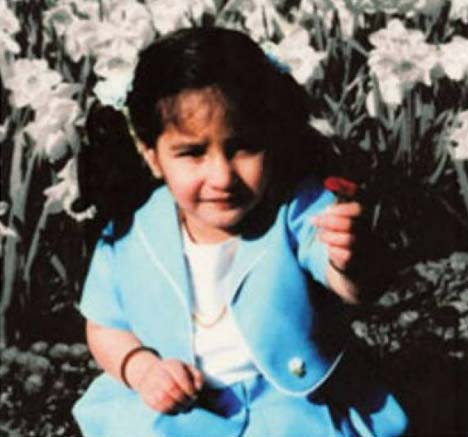
Reena, March 10, 1983 – November 14, 1997
Reena Virk was fourteen years old when she died. In the years since that November night, her name has appeared in court transcripts, appellate decisions, academic studies, documentaries and books. The legal record is detailed. The timelines are precise. The arguments have been parsed and re-parsed.
Yet the girl herself remains difficult to reach.
She was a child trying to find her place. A teenager navigating faith, race, friendship and exclusion at the same time. She argued with her parents. She made mistakes. She stepped toward people who did not welcome her. None of those ordinary adolescent struggles explain what happened beneath the Craigflower Bridge. None of them justify it.
What remains is the absence.
A bedroom that did not change with the years. Parents who outlived their child. A community forced to confront the uncomfortable truth that cruelty is not confined to expectation, and that violence can emerge from places it once refused to imagine.
Thousands of words have been written about that night. But the space where Reena should have been the woman she might have become, the life she did not live cannot be filled by documentation, by verdicts, or by time.
The files are closed. The absence remains.
Suggested Post, Lucy Letby
Wow that was strange. I just wrote ann incredibly long comment
but after I clicked submit mmy comment didn’t shw up.
Grrrr… well I’m not wriging all that over again. Regardless, jut wanted too say superb blog!
Good day! I could have sworn I’ve visited this website before but after browsing through many of the articles
I realized it’s new to me. Anyhow, I’m certainly happy I found it and I’ll be book-marking it
and checking back regularly!